

Why Apartments with Smart Thermostats Are Changing How We Live
Apartments with smart thermostats provide control over home climate from any location at any time.
Key benefits include:
- Remote control - Adjust the temperature via a phone before entering the home
- Automated scheduling - The thermostat learns routines and adjusts accordingly
- Voice control - Compatible with Alexa, Google Assistant, and Apple HomeKit
- HVAC protection - Reduced runtime helps the system last longer
- Consistent comfort - Fine-tuned settings maintain a stable indoor environment throughout the day
Traditional rentals often rely on manual dials or basic timers. Smart thermostats address these limitations by providing precise climate management. The U.S. smart thermostat market is growing at a projected rate of 17.2% per year, as residents seek comfort, convenience, and control through climate technology.
Understanding Apartments with Smart Thermostats
Apartments with smart thermostats feature integrated Internet of Things (IoT) devices that manage climate settings. Unlike traditional models that operate based on a basic thermometer, these devices use sensors and Wi-Fi connectivity to communicate with a smartphone.
These thermostats provide real-time monitoring. Temperature can be checked or adjusted remotely, ensuring the living space remains comfortable regardless of the weather. This level of precision is a standard feature in many apartments with central air.

Difference Between Traditional and Smart Models
Traditional models rely on manual dials or sliders, requiring physical presence to change settings. Programmable thermostats allow for basic scheduling but do not account for routine changes.
Smart models offer:
- Learning Algorithms: Devices like the Nest Learning Thermostat observe behavior and adjust settings automatically over time.
- Automation: Adjustments can be made based on local weather forecasts or building occupancy.
- Precision: Digital sensors provide accurate readings to prevent temperature fluctuations.
Connectivity Options for Multifamily Buildings
Multifamily buildings often employ sophisticated technology to keep devices online:
- Managed Wi-Fi: Provides a building-wide network for seamless connectivity. More information is available in the guide to apartments with free WiFi.
- LoRaWAN & LTE-M: Some systems use low-power, wide-area networks that function independently of personal internet connections.
- Device Isolation: Thermostats operate on secure IoT-specific networks to keep data separate from building operational technology.
Top Benefits of Living in Apartments with Smart Thermostats
Living in a tech-forward community offers an efficient lifestyle.
| Feature | Traditional Thermostat | Smart Thermostat |
|---|---|---|
| Control | Manual / On-device only | Remote via Smartphone / Voice |
| Scheduling | Rigid / Difficult to program | Adaptive / Learning algorithms |
| Energy Usage | Constant / Manual setbacks | Optimized / Automatic "Away" modes |
| Maintenance | Reactive | Proactive alerts |
| Integration | None | Connects with lights, locks, & hubs |
Enhanced Comfort and Convenience
Smart thermostats allow for immediate adjustments. For example, a phone app can be used to set the AC to a specific temperature before arrival. Features like geofencing use GPS location to trigger "Home" or "Away" profiles, reducing unnecessary HVAC use when the unit is unoccupied.
Impact on Energy Efficiency
According to EPA estimates, smart thermostats help reduce heating and cooling use. Beyond daily operation, these devices impact HVAC longevity by avoiding unnecessary cycling, which reduces wear on mechanical components and supports a smaller carbon footprint for the community.
How to Optimize Your Apartment Climate Control
To get the most out of apartments with smart thermostats, you have to go beyond the "set it and forget it" mentality. Optimization is about using the data the device provides to create the perfect environment.
Maximizing Savings with Geofencing
Geofencing is the ultimate "invisible assistant." By setting up a radius around your building, your thermostat can:
- Detect Occupancy: If you're home on a Tuesday when you're usually at work, the thermostat senses your presence (or your phone's) and maintains comfort.
- Automatic Setbacks: The moment you head out for a grocery run or a night out, the system eases back on the energy usage.
- Arrival Pre-cooling: It calculates how long it takes to reach your desired temperature so it's perfect the moment you arrive, rather than running at full blast for three hours while you were gone.
This tech is a staple among luxury apartment amenities, where the goal is to make daily life as frictionless as possible.
Integrating with Other Smart Home Devices
A smart thermostat is even more powerful when it talks to other devices. In many modern studios and luxury units, your thermostat can be the centerpiece of a larger ecosystem:
- Motorized Blinds: On a hot day, your thermostat can tell your smart blinds to close to block out the sun, reducing the load on your AC.
- Contact Sensors: If you leave a window open to enjoy a breeze, some systems can automatically pause the HVAC so you aren't "cooling the whole neighborhood."
- Smart Lighting: Sync your "Away" mode so that when the thermostat turns down the heat, the lights also turn off, maximizing your efficiency.
Popular Models and Installation in Rental Properties
When browsing for apartments with smart thermostats, you'll likely encounter a few industry leaders. Nest (owned by Google) is famous for its "Learning" capability and sleek circular design. Ecobee is a favorite for those who want extra sensors in the bedroom or kitchen to ensure even temperatures throughout the unit.
You might also see these integrated into high-end finishes, such as apartments with quartz countertops, where the aesthetic of the device is just as important as its function.
Getting Landlord Approval for Upgrades
If your current apartment doesn't have a smart thermostat, you might be tempted to install one yourself. Here is the professional way to handle it:
- Lease Review: Check if your lease prohibits "modifications to electrical or HVAC systems."
- C-Wire Requirements: Most smart thermostats require a "Common Wire" (C-wire) for constant power. If your building is older, you might need a Power Extender Kit.
- The Pitch: Explain to your landlord that a smart thermostat protects their investment by monitoring for extreme temperatures and reducing wear and tear on the HVAC system.
- Restoration: Be prepared to reinstall the original thermostat before you move out, or offer to leave the smart one behind as a permanent upgrade.
Smart Thermostats for Property Management
From a management perspective, these devices are essential tools for "asset protection." In vacant units, thermostats can be set to "make-ready" modes. This ensures the unit is comfortable for a tour but doesn't waste energy when no one is living there.
More importantly, they provide maintenance alerts. If a furnace fails in the middle of a Chicago winter, the system can send an alert to the maintenance team before the pipes have a chance to freeze. This proactive approach saves thousands in potential water damage and keeps the building running smoothly.
Frequently Asked Questions
Do apartments with smart thermostats require personal Wi-Fi?
Not necessarily. Many modern buildings use "managed Wi-Fi" or dedicated IoT networks (like LoRaWAN) that allow the thermostat to stay connected regardless of whether you have an active internet subscription. However, to use the app on your phone, you will generally need some form of internet access.
How do apartments with smart thermostats handle vacant units?
In professional communities, management uses centralized software to control vacant units. They can set "vacancy-aware" schedules that reduce HVAC runtime by 32% to 55%. This prevents the system from running unnecessarily while ensuring the unit stays within a safe temperature range to protect the building.
Can I control my smart thermostat with voice assistants?
Yes! Most major models (Nest, Ecobee, Amazon Smart Thermostat) are fully compatible with Alexa, Google Assistant, and Apple HomeKit. You can simply say, "Hey Google, set the living room to 70 degrees," for hands-free comfort.
Conclusion
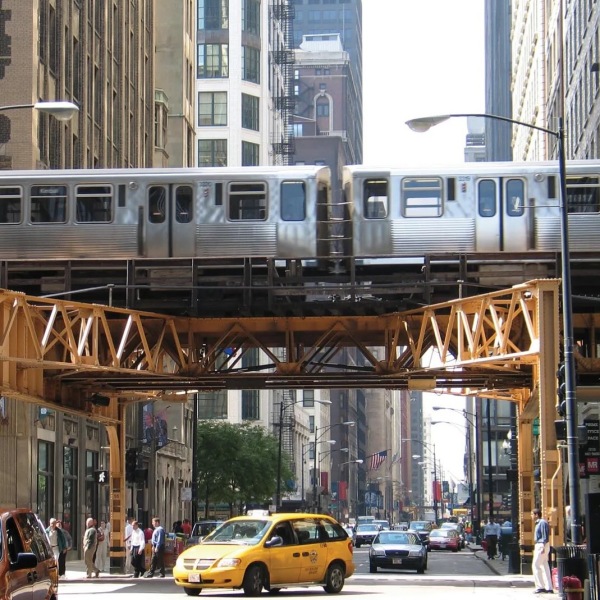
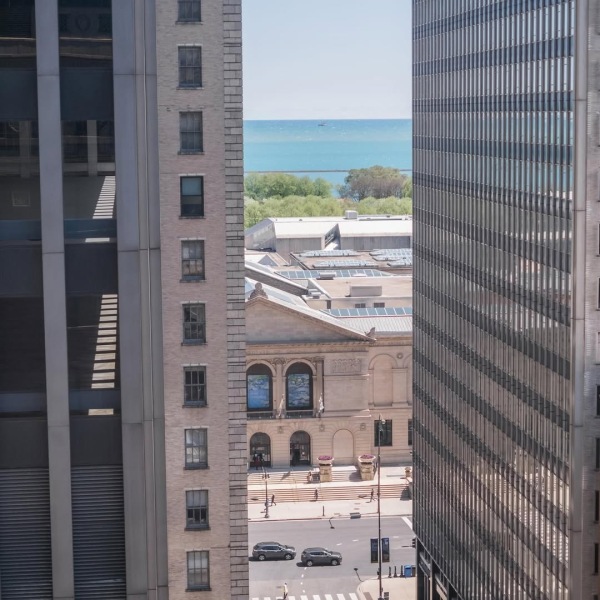
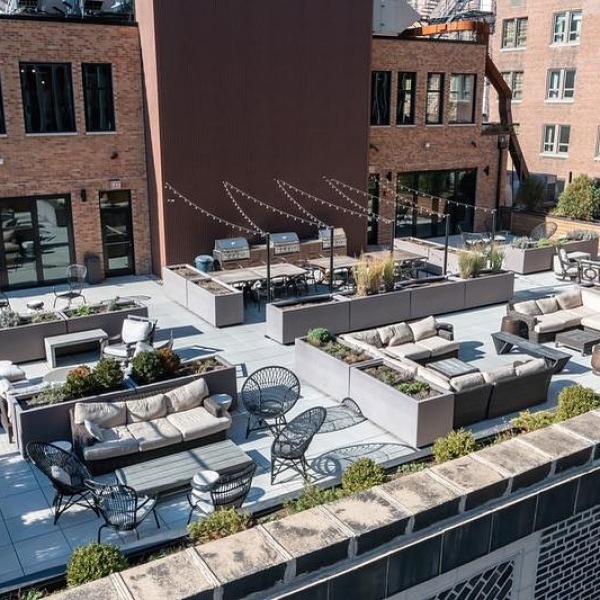
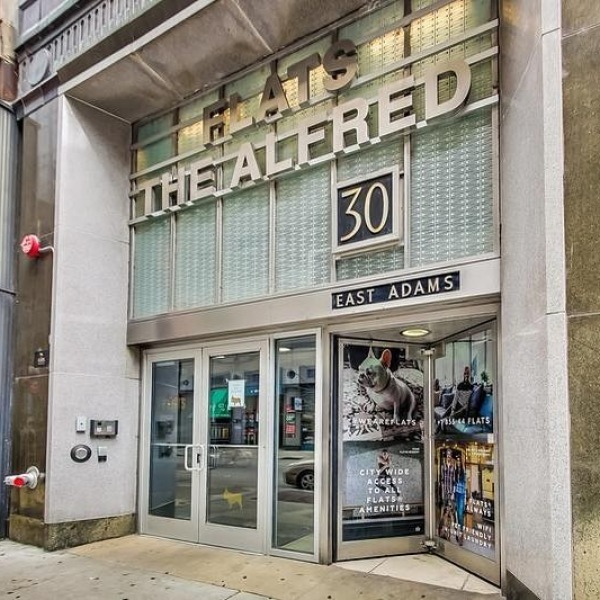
Mastering climate control is about living more sustainably. The Alfred Apartments by Flats® is located in The Loop in downtown Chicago, blending restored historic architecture with contemporary conveniences. The community provides a tech-forward approach to city living. Browse the communities to find apartments that suit specific needs!