

Why the Chicago Loop Belongs at the Top of Your Travel List
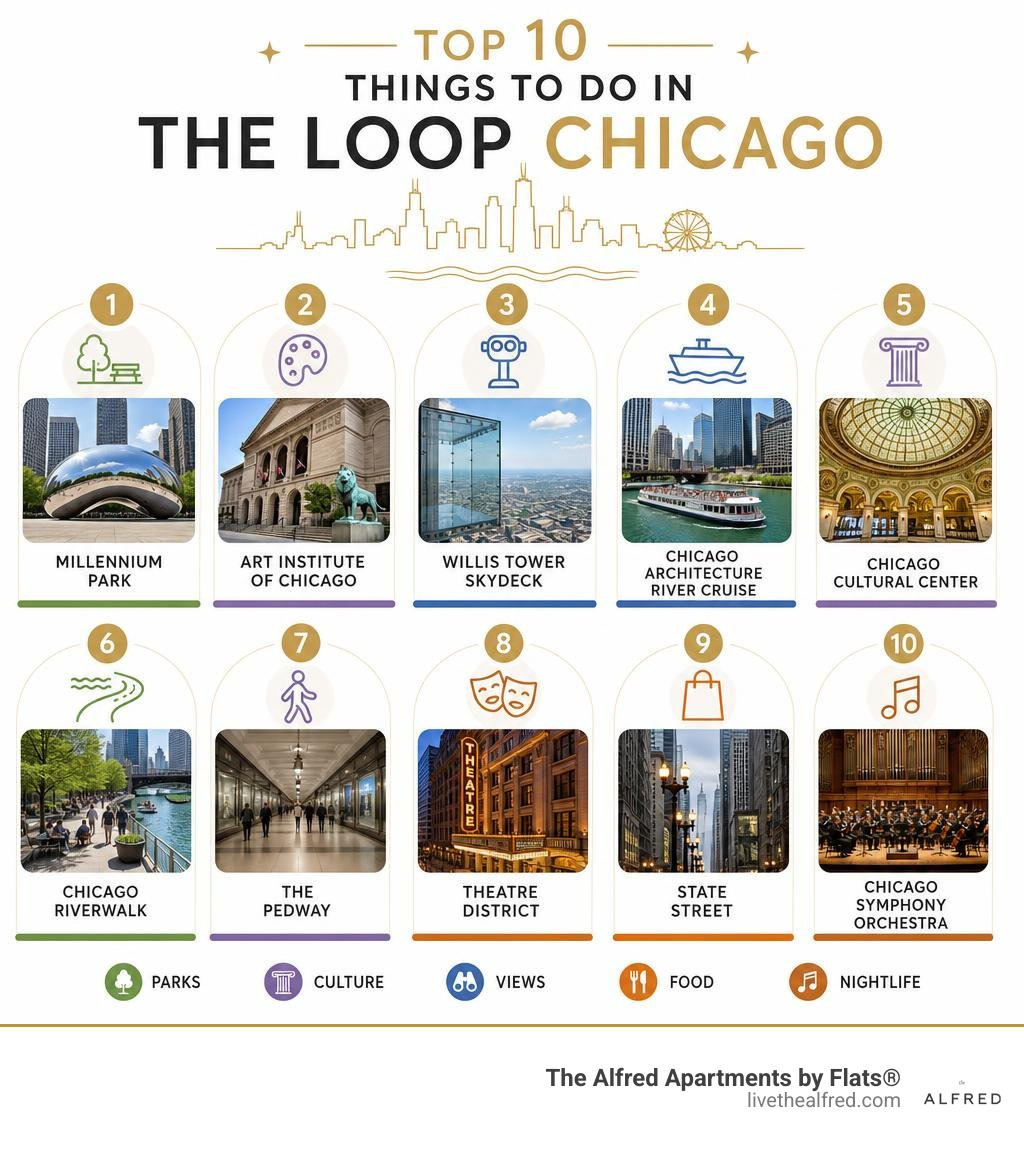
If you're planning things to do in the Loop Chicago, here's a quick look at the best options to get you started:
- Millennium Park - See Cloud Gate ("The Bean"), Crown Fountain, and catch free summer concerts at the Jay Pritzker Pavilion
- Art Institute of Chicago - World-class Impressionist collection, plus the hidden Thorne Miniature Rooms
- Willis Tower Skydeck - Step onto The Ledge, a glass box suspended 1,353 feet above the city
- Chicago Architecture River Cruise - A 90-minute tour of the skyline from the water
- Chicago Cultural Center - Free entry, stunning interior, and the world's largest Tiffany stained glass dome
- Chicago Riverwalk - Waterfront dining, public art, and kayak rentals
- The Pedway - A hidden underground walkway connecting dozens of downtown buildings
- Theatre District - Broadway-caliber shows via Broadway in Chicago
- State Street - Iconic shopping on "that great street"
- Chicago Symphony Orchestra - One of the most celebrated orchestras in the world
The Loop is downtown Chicago's beating heart. It's a neighborhood where a single morning can take you through world-class art, and a single evening can end with live jazz or a Tony Award-winning show — all within walking distance.
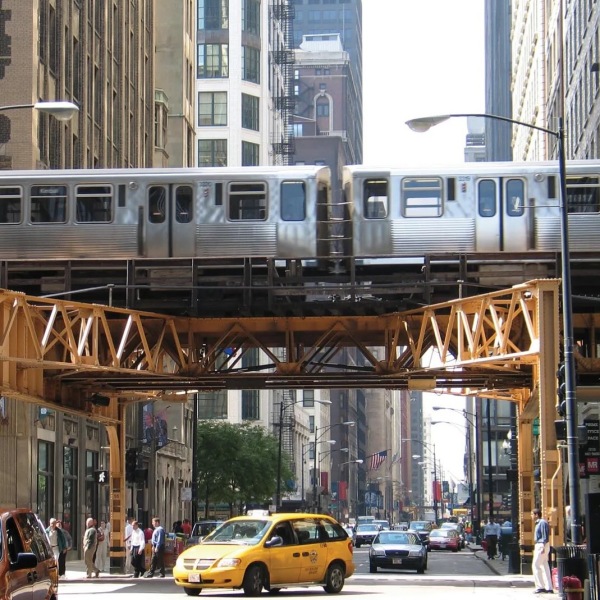
Named after a cable car line that circled the central business district in the late 1800s, the Loop has evolved into one of the most walkable and transit-connected urban districts in the country. All eight CTA train lines run through it. Dozens of bus routes cross it. And the major landmarks are packed close enough together that you rarely need a ride between them.
Whether you're visiting for a weekend or settling into downtown life, the Loop consistently delivers more per block than almost anywhere else in the city.
Essential Things to Do in the Loop Chicago for First-Time Visitors
When you first step out into the bustling streets of downtown, the sheer scale of the skyscrapers can feel beautifully overwhelming. If you want to experience the absolute best of the neighborhood right away, starting with our massive public green spaces is the perfect introduction.
Millennium Park is a 24.5-acre urban oasis that serves as the city’s front yard. It is most famous for housing Cloud Gate, the world-renowned polished stainless-steel sculpture affectionately known as "The Bean." Designed by artist Anish Kapoor, its mirrored surface reflects the dramatic skyline and the shifting Midwestern sky. For an unforgettable perspective that many visitors entirely miss, walk directly underneath the sculpture into the "omphalos"—the concave chamber underneath—to view a kaleidoscopic reflection of yourself and the surrounding architecture.
Just a short walk south of the sculpture, you will find the Crown Fountain. This interactive work of public art features two 50-foot glass towers that project video portraits of local Chicago citizens. During the warm summer months, water cascades down the towers, periodically spouting from the subjects' mouths to the delight of splashing children and wading adults.
Directly adjacent to Millennium Park sits Maggie Daley Park, a whimsical, multi-use recreation space. This park features a winding skating ribbon, climbing walls, and beautifully landscaped play gardens. If you are exploring the neighborhood with family, this outdoor wonderland is a must-visit.
To help frame your downtown exploration, we recommend checking out the comprehensive resources available through Explore Chicago Loop | Guide to Downtown Chicago | Tours, Parks, Restaurants & Shopping | Choose Chicago to customize your daily itinerary.

Iconic Things to Do in the Loop Chicago
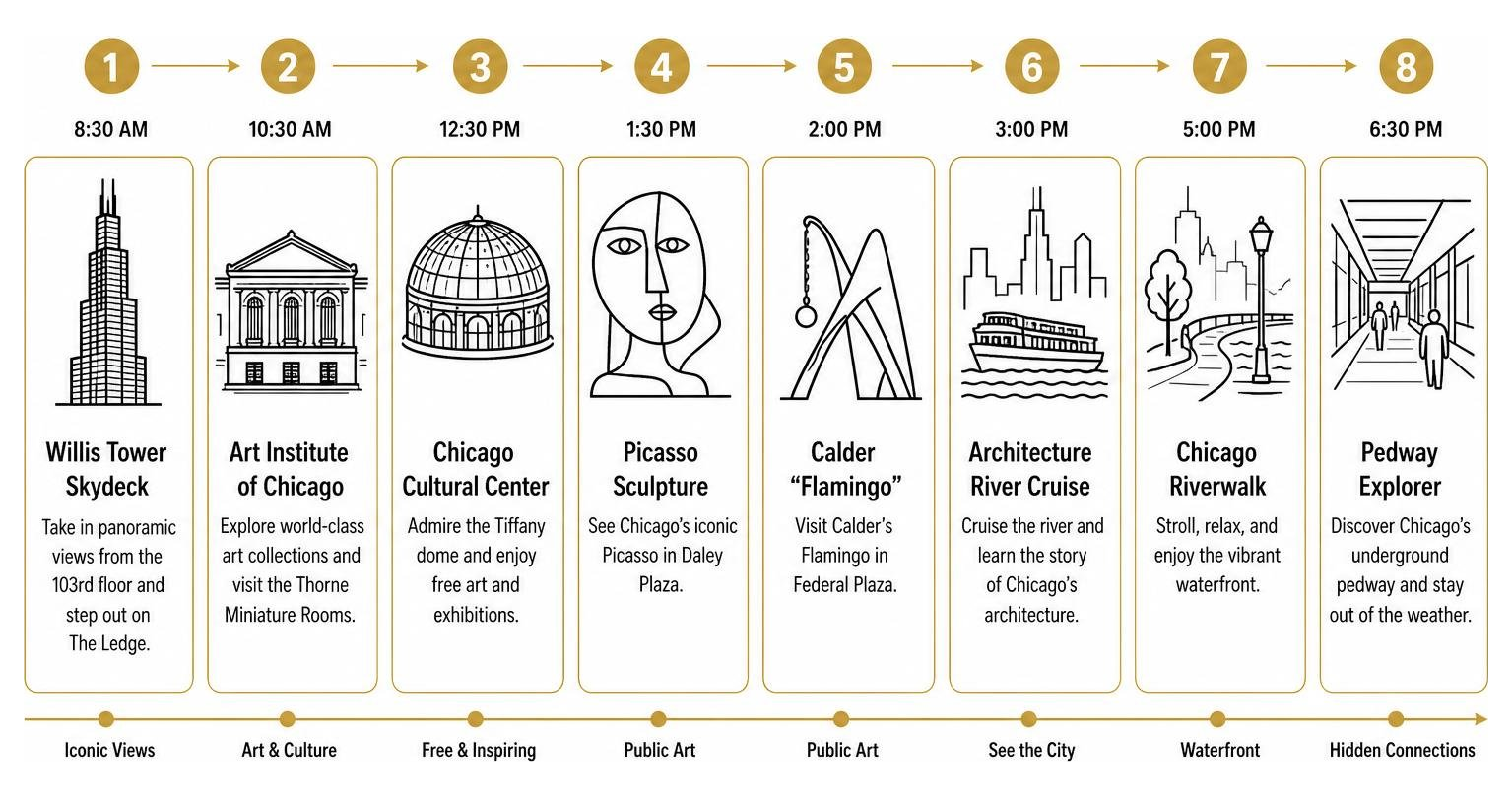
No visit to the heart of the city is complete without experiencing our most iconic towering heights and legendary cultural institutions. To truly appreciate the scale of the city, head over to the Willis Tower (historically known to locals as the Sears Tower). Rising 110 stories above the pavement, this architectural marvel held the title of the tallest building in the world for nearly a quarter of a century.
Taking the high-speed elevator to the 103rd floor brings you to Skydeck Chicago. Here, the brave can step out onto "The Ledge"—a series of glass balcony boxes extending four feet outside the building's facade. Standing 1,353 feet in the air with nothing but clear glass beneath your feet is a thrilling way to view the sprawling metropolitan landscape.
After returning to solid ground, make your way to the historic Michigan Avenue corridor to visit the Art Institute of Chicago. As one of the oldest and largest art museums in the United States, it is consistently ranked among the top cultural institutions globally. The museum is home to one of the most impressive collections of Impressionist and Post-Impressionist art on the planet, featuring masterpieces like Georges Seurat's A Sunday on La Grande Jatte and Edward Hopper's Nighthawks.
While exploring the museum's vast galleries, make sure to head down to the lower level to discover a true hidden gem: the Thorne Miniature Rooms. This fascinating collection features 68 incredibly detailed, shoe-box-sized room models that replicate historical interior design styles from Europe and America from the late 13th century through the 1930s. To discover more ways to plan your visits to these legendary landmarks, explore our guide on the Best Things to Do in the Loop Chicago.
Free and Cultural Things to Do in the Loop Chicago
Experiencing world-class culture in downtown Chicago does not have to require a ticket. In fact, some of our most spectacular architectural and artistic treasures are completely open to the public at no charge.
The Chicago Cultural Center is a prime example. Originally completed in 1897 as the city's central library, this stunning neoclassical building serves as a vibrant cultural hub hosting free art exhibitions, performances, and public events. The building's crown jewel is Preston Bradley Hall, which houses the largest Tiffany stained glass dome in the world. Spanning 38 feet in diameter and constructed from approximately 1.6 million pieces of iridescent glass, the dome was meticulously restored to its original historic splendor and is a breathtaking sight when illuminated by natural light.
As you wander through the surrounding streets, you will quickly notice that the Loop functions as an open-air museum. In the center of the Richard J. Daley Plaza stands the monumental, untitled Picasso sculpture. Unveiled in 1967, this 50-foot-tall steel masterpiece was the first major work of public art in downtown Chicago and sparked a renaissance of outdoor installations across the city.
Just a few blocks south in Federal Plaza, you can admire Alexander Calder’s Flamingo. This striking, 53-foot-tall steel stabile is painted in a vibrant custom color known as "Calder Red," specifically chosen by the artist to create a dramatic visual contrast against the dark, linear steel-and-glass skyscrapers designed by Mies van der Rohe that surround the plaza. To learn more about navigating these public artistic landmarks, read our detailed Things to Do in the Loop Chicago Guide.
Elevate Your Itinerary with Architecture and Waterfront Views
To truly understand how Chicago became the birthplace of the modern skyscraper, you must view the city from its waterways. The Chicago Riverwalk is an award-winning, pedestrian-only pathway that stretches along the south branch of the Chicago River. Lined with vibrant waterfront restaurants, outdoor bars, public art installations, and lush seating areas, it is the perfect spot for a leisurely stroll.

For a dynamic perspective of our legendary skyline, we highly recommend booking an architecture river cruise. Departing directly from the Riverwalk, these 90-minute guided boat tours wind through the main, north, and south branches of the river. Expert guides share the dramatic stories of how the city rebuilt itself after the devastating Great Chicago Fire of 1871, pioneering new engineering techniques and architectural styles that shaped cities worldwide.
If you prefer a more active adventure, you can rent a kayak from local outfitters along the Riverwalk. Paddling your way through the canyon of skyscrapers offers a unique, water-level view of historic landmarks like the Merchandise Mart and the iconic Tribune Tower. To plan your perfect day on the water, consult our Chicago Riverwalk Activities Ultimate Guide.
Navigating the Loop's Historic Streets and Hidden Passages
While the streets of the Loop are highly walkable, we also have an entire network of pathways hidden right beneath the pavement. The Chicago Pedway is a system of underground tunnels, overhead bridges, and street-level concourses that connects dozens of buildings across more than 40 downtown blocks.
Originally begun in the mid-20th century, the Pedway is a fascinating hidden world used by locals to navigate the downtown core. It connects transit stations, government buildings, historic hotels, and shopping centers, allowing you to traverse the heart of the city while staying completely protected from inclement weather.
Back above ground, State Street remains one of our most historic commercial corridors. Nicknamed "that great street," it has been a hub of Chicago shopping for over a century. Here, you can visit the historic Marshall Field and Co. building (now Macy's), which features a breathtaking 6,000-square-foot vaulted ceiling mosaic made of 1.6 million pieces of Tiffany glass, as well as the famous Walnut Room restaurant.
Just around the corner, the Chicago Theatre District beckons. Marked by the spectacular, six-story-high yellow "CHICAGO" marquee on State Street, the historic Chicago Theatre was built in 1921 as a lavish movie palace. Today, the district buzzes with energy, hosting world-class concerts, comedy performances, and spectacular Broadway in Chicago theatrical productions. For a structured walking route that hits all of these historic highlights, check out Walking Chicago: Self-Guided Tour of the Loop | Moon Travel Guides.
Savoring the Culinary and Entertainment Scene
Exploring the Loop is sure to work up an appetite, and fortunately, the neighborhood is home to some of the most famous culinary traditions in the country. No trip to Chicago is complete without diving into a deep dish pizza. Characterized by its thick, buttery crust, layers of mozzarella cheese, toppings like Italian sausage, and a robust tomato sauce ladled on top, a single slice is a hearty meal in itself. Just remember that because of the deep pan design, these pizzas take about 45 minutes to bake—so we recommend ordering an appetizer while you wait!
Another essential local staple is the classic Chicago-style hot dog. To eat like a local, your all-beef frankfurter must be nestled in a steamed poppy seed bun and "dragged through the garden" with:
- Yellow mustard
- Neon green sweet pickle relish
- Chopped white onions
- Tomato wedges
- A dill pickle spear
- Sport peppers
- A dash of celery salt
And remember the golden rule of Chicago dining: never, under any circumstances, put ketchup on your hot dog!
After dinner, immerse yourself in our legendary performing arts scene. The Theatre District is always alive with Tony Award-winning plays and musical productions. For classical music lovers, the Chicago Symphony Orchestra—frequently recognized as one of the premier orchestras in the world—performs spectacular concerts at Symphony Center on Michigan Avenue. To find the perfect spot for your next meal, take a look at our curated list of the Best Restaurants in the Loop.
Unwinding with Downtown Nightlife and Happy Hours
As the sun sets behind our historic skyscrapers, the Loop transitions into a vibrant nightlife destination. If you want to experience authentic Chicago music, make your way to Buddy Guy’s Legends. This famous blues club, owned by the legendary Grammy-winning guitarist himself, features live music seven nights a week alongside delicious Louisiana-style Cajun dining. For jazz enthusiasts, the historic Jazz Showcase has been hosting local and international jazz legends in an intimate, sophisticated setting since 1947.
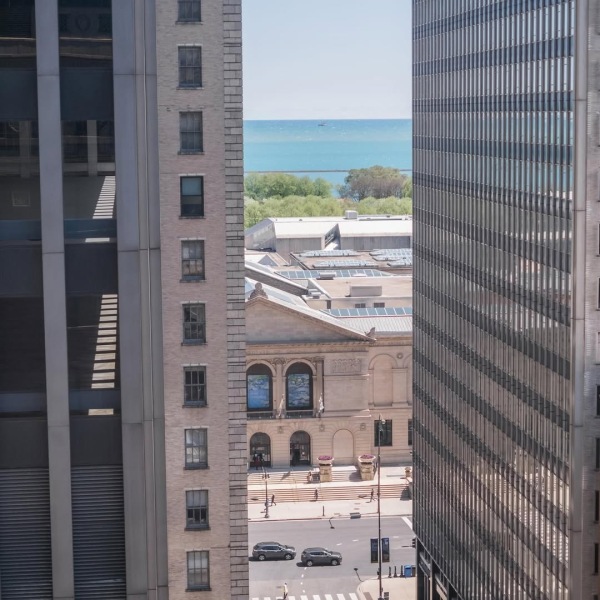
If you prefer to take in the city views with a drink in hand, the Loop boasts some of the most spectacular rooftop lounges in the country. Cindy’s Rooftop, located atop the historic Chicago Athletic Association Hotel, offers an open-air terrace with panoramic views overlooking Millennium Park, the Art Institute, and the shimmering waters of Lake Michigan. To find the best spots to wind down after a day of sightseeing, check out our favorite destinations for the Best Happy Hour in the Loop.
Frequently Asked Questions About the Chicago Loop
How did the Chicago Loop get its name?
While many people assume the Loop gets its name from the elevated "L" train tracks that encircle the downtown core today, the term actually predates the elevated train system. In the late 1800s, a system of cable car lines was constructed to encircle the central business district to efficiently turn the cars around. This circular transit layout created a "loop" that defined the boundaries of downtown. When the elevated railroad tracks were built in the 1890s, they mirrored this circular layout, cementing the neighborhood's identity. To dive deeper into the rich history of this vibrant district, check out our guide on The Loop Chicago.
What is the best way to get around the Loop?
The Loop is one of the most accessible and highly connected transit hubs in North America. All eight of Chicago's CTA "L" train lines converge in the Loop, making it incredibly easy to travel to any corner of the city. Additionally, dozens of CTA bus routes run through the neighborhood, and the Metra commuter rail stations provide easy access to the surrounding suburbs.
For those who prefer to travel on two wheels, the city's Divvy bike-sharing system features hundreds of stations across downtown where you can easily rent classic or electric bicycles. Above all, the Loop's flat terrain and grid-like layout make it incredibly walkable, allowing you to easily explore major attractions on foot.
How can I experience the top attractions efficiently?
If you want to experience multiple major downtown attractions during your visit, we highly recommend planning your itinerary in advance. Utilizing multi-attraction passes like the Chicago CityPASS can offer significant advantages, allowing you to enjoy admission to top spots like the Shedd Aquarium, Skydeck Chicago, and the Field Museum.
Additionally, many of our prominent cultural institutions offer designated complimentary admission days throughout the year for local residents. To see how to seamlessly fit these experiences into a weekend visit, check out the 3 Days in Chicago: Perfect First-Time Itinerary (2026) - Little Chicago Guide.
Discover Modern Living in a Historic Setting
There is a unique magic to living in a neighborhood where world-class culture, iconic architecture, and vibrant energy are right outside your front door. If you are looking to transition from a visitor to a local, finding the right place to call home is the ultimate way to experience the city.
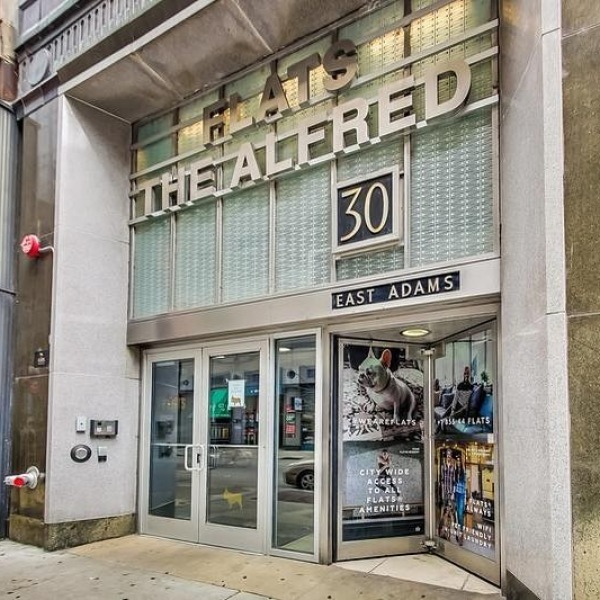
The Alfred offers luxury apartments in the heart of the Loop, beautifully blending historic charm with contemporary convenience. Housed in a beautifully restored transit-oriented building, our residences feature soaring ceilings, expansive windows that frame dramatic city views, and modern finishes designed for comfortable urban living.
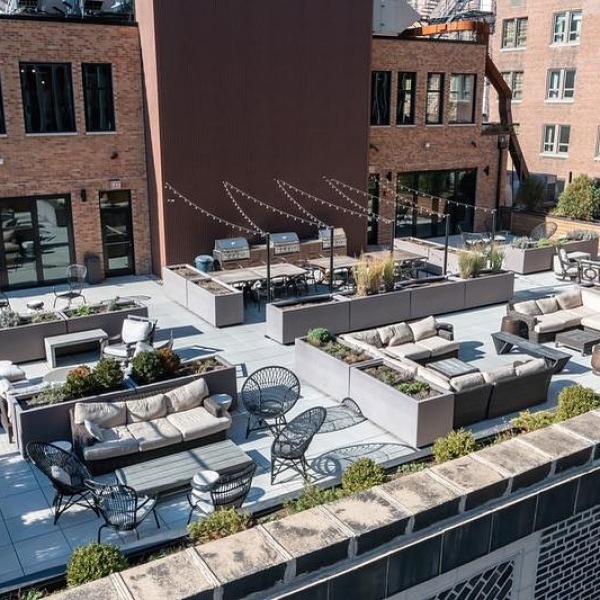
With a stunning rooftop deck, a modern fitness center, and a prime downtown location just steps from the theater district, the Chicago Riverwalk, and all major transit lines, we provide an unparalleled living experience. We invite you to Explore our neighborhood and find your perfect space in the heart of the city today.