

Is Downtown Chicago Worth the Price? Here's What Renters Need to Know
Downtown Chicago rent prices are significantly higher than the city-wide average — here's a quick breakdown before we dive deeper:
| Apartment Type | Downtown Chicago Average | Chicago City-Wide Average |
|---|---|---|
| Studio | $2,119/mo | $1,746/mo |
| 1 Bedroom | $2,641/mo | $2,389/mo |
| 2 Bedroom | $3,814/mo | $3,204/mo |
| 3 Bedroom | $5,280/mo | $3,730/mo |
| Overall Average | $3,034/mo | $2,455/mo |
The downtown premium is real — roughly $579/month more than the city average.
And that gap is growing. Rents across Chicago rose nearly 5% year-over-year, with downtown seeing even steeper increases. New supply simply hasn't kept pace with demand.
Over half of Chicago households rent rather than own — 54% of residents are renters. In the downtown core, that number is even more concentrated. The city's walkability, transit access, and cultural density make it one of the most sought-after rental markets in the Midwest.
Whether you're relocating, upgrading, or just trying to make sense of the numbers, understanding what you're actually paying for — and why — helps you make a smarter decision.

Current Trends in downtown chicago rent prices

When we look at the trajectory of the market, it is clear that the heart of the city remains a high-demand zone. The current average for downtown chicago rent prices sits at approximately $3,034 per month. This represents a significant step up from the city-wide average of $2,455. While a 4.98% increase across the entire city might seem standard for a growing metropolis, the downtown sector often experiences more intense fluctuations due to its unique position as a global business and cultural hub.
A major driver behind these figures is the relationship between supply and demand. Recent reports indicate that Downtown Chicago apartments rents rose over 8% in Q4 2025 - Crain's Chicago Business, a surge largely attributed to a lag in new construction. When fewer new buildings open their doors, the competition for existing units in prime locations intensifies. We see this play out in real-time as professionals and residents flock to the central business district for its proximity to major employers and world-class entertainment.
The rental market here operates on a 30-day rolling basis, meaning the numbers we see today are a snapshot of a very active environment. With over 624,000 renter-occupied households in the city, the sheer volume of people looking for a place to call home keeps the market moving quickly. If you are eyeing a spot in the downtown core, understanding these year-over-year growth patterns is essential for planning your next move.
Studio and One-Bedroom downtown chicago rent prices
For many individuals, the search for the perfect urban home begins with smaller, more manageable spaces. Studios in the downtown area currently average around $2,119 per month. These units typically offer about 469 square feet of living space, prioritizing a central location and high-end building features over sheer square footage. For those who need a bit more room to breathe or a dedicated space for a home office, Downtown Chicago Studio Rentals provide an entry point into the high-rise lifestyle.
One-bedroom apartments represent the most common choice for solo renters and couples alike. With an average rent of $2,641 and a typical size of 708 square feet, these units strike a balance between comfort and the energy of the city. We find that 1 Bedroom Apartments Downtown Chicago are often the "sweet spot" of the market, offering enough room for a full living setup while staying within the typical range for downtown professional salaries.
The difference in price between a studio and a one-bedroom can be several hundred dollars, but for many, the added privacy and square footage are worth the investment. In a market where every square foot counts, these units are designed with efficiency in mind, often featuring modern layouts that maximize natural light and storage.
Multi-Bedroom downtown chicago rent prices
As we move into larger floor plans, the pricing reflects the increased demand for space in a dense urban environment. Two-bedroom apartments in downtown Chicago currently average $3,814 per month. These units are ideal for those who need a guest room, a larger home office, or a shared living arrangement. Our Two Bedroom Apartments Downtown Chicago Guide highlights how these spaces often serve as the primary choice for those looking to stay downtown long-term.
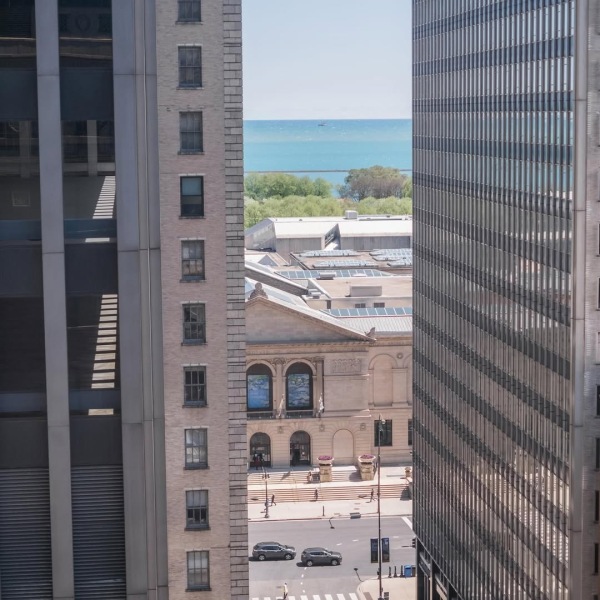
For the most expansive living options, three-bedroom apartments reach an average of $5,280. These units are less common in the high-rise landscape, making them a premium commodity. They often feature luxury finishes, multiple bathrooms, and sweeping views of the skyline or Lake Michigan. Because of their limited supply and high demand from those seeking a true "home" feel in the center of the city, these units often see some of the most competitive pricing in the market.
Neighborhood Variations Across the Downtown Core
It is a common misconception that "Downtown" is one monolithic block of identical prices. In reality, the downtown core is a collection of distinct neighborhoods, each with its own personality and price point. Where you choose to land can significantly impact your monthly housing costs.
| Neighborhood | Average 1-Bedroom Rent | Average 2-Bedroom Rent |
|---|---|---|
| River North | $3,355 | $4,200 |
| The Loop | $2,607 | $3,631 |
| Streeterville | $2,900 | $4,000 |
| West Loop | $2,800 | $3,800 |
| South Loop | $2,200 | $3,100 |
According to the Chicago Rent Report February 2026 | Rent in Chi-Town, River North remains one of the most expensive pockets of the city. This area is known for its high concentration of art galleries, upscale dining, and vibrant nightlife, which commands a premium.
In contrast, The Loop — the city's official central business district — offers a unique dynamic. While it is the "beating heart" of the city, its average rent for all unit types sits around $2,962, making it slightly more accessible than River North while still offering unparalleled transit access. The South Loop often provides a different value proposition, with larger units and a slightly more residential feel compared to the high-energy streets of the central core.
Factors Influencing Rental Rates in the City Center
Why do downtown chicago rent prices vary so much from one block to the next? Several key factors drive these numbers beyond just the number of bedrooms.
- Building Age and Style: Newer developments typically command higher rents. These buildings often feature energy-efficient systems, floor-to-ceiling windows, and the latest in smart-home technology. However, there is also a strong market for restored historic buildings that offer unique architectural details you simply can't find in new construction.
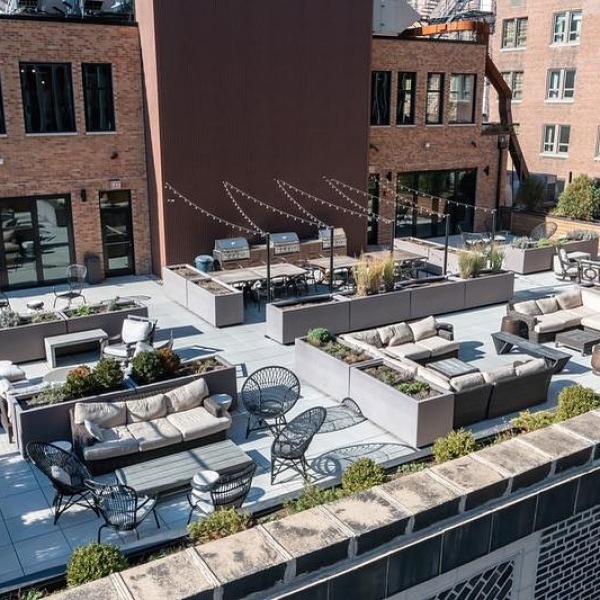
- Amenities: In downtown Chicago, your rent pays for much more than just the four walls of your apartment. Modern Apartment Complexes Downtown Chicago Guide reveals that features like 24-hour door staff, fitness centers, rooftop decks, and co-working spaces are now standard expectations. Buildings that offer "resort-style" perks like outdoor pools, pet spas, and private bowling alleys will naturally sit at the higher end of the price spectrum.
- Seasonality: The time of year you sign your lease matters. The "peak season" in Chicago runs from May through September. This is when demand is highest, and consequently, rents are at their peak. Conversely, the winter months (November through February) are often considered the "bargain hunter's playground." While the weather might be colder, the lower demand can sometimes lead to more flexibility in pricing or lease terms.
- Supply Shortages: As mentioned earlier, the pace of new construction has struggled to keep up with the number of people moving into the city center. This scarcity keeps upward pressure on prices across the board.
Essential Considerations for Renting in Downtown Chicago
When calculating your budget, the base rent is only part of the equation. Living in the heart of a major city comes with additional costs that we recommend every renter accounts for early on.
Utilities and Fees While some older buildings might include certain utilities in the rent, most modern downtown apartments require tenants to pay for electricity, water, and trash separately. Many buildings also charge a monthly "utility bundle" or "amenity fee" that covers high-speed internet, gas, and access to building facilities. It is common to see these bundles ranging from $100 to $250 per month depending on the unit size.
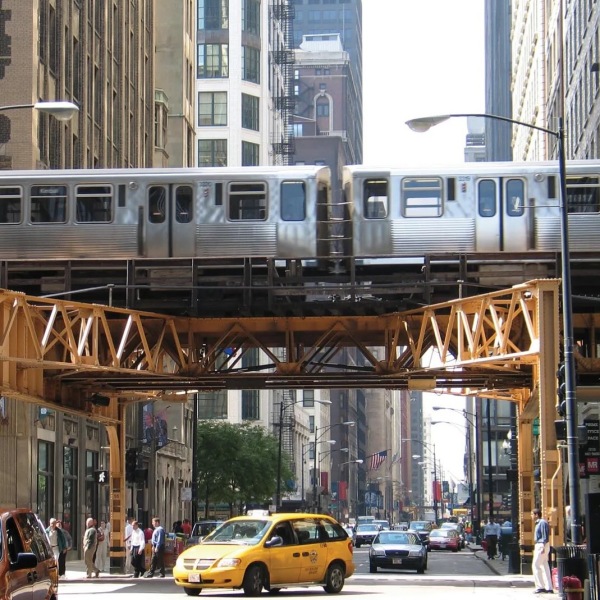
Parking If you plan to keep a car downtown, be prepared for a significant monthly expense. Dedicated parking spots in heated garages can cost anywhere from $200 to $400 per month. Many residents choose to rely on Chicago's extensive public transit system — including the "L" trains and bus routes — or utilize the city's high walkability to avoid this cost entirely.
Requirements for Renters The rental market in Apartments in Downtown Chicago is highly professionalized. Most management companies and landlords look for the following:
- Credit Score: A score of 650 is generally the minimum, though luxury buildings often look for 700 or higher.
- Income Verification: We typically see a requirement that your gross monthly income be 2.5 to 3 times the monthly rent.
- Renter's Insurance: This is almost universally required and usually costs between $15 and $30 per month.
With 54% of the city's households being renter-occupied, the process is streamlined but competitive. Having your documentation (pay stubs, ID, and references) ready to go can make the difference in securing your top choice.
Frequently Asked Questions about Downtown Chicago Rent
What is the average rent in Downtown Chicago?
The overall average rent for an apartment in Downtown Chicago is approximately $3,034 per month. However, this varies significantly by unit size, with studios starting around $2,119 and three-bedroom units averaging over $5,280.
How does rent in The Loop compare to other downtown areas?
The Loop is often more competitively priced than neighboring River North. While River North averages around $3,355 for a one-bedroom, The Loop sits closer to $2,962. This makes it a popular choice for those who want the ultimate urban convenience without the absolute highest price tag in the city.
What additional costs should renters budget for?
Beyond base rent, you should budget for a utility/amenity bundle (often $100-$250), renter's insurance ($15-$30), and parking if needed ($200-$400). Some buildings also require a one-time move-in fee or administrative fee in lieu of a traditional security deposit.
Conclusion
Navigating downtown chicago rent prices requires a blend of data and a clear understanding of your own lifestyle priorities. Whether you are drawn to the vibrant energy of River North or the historic, transit-connected streets of the central business district, the market offers a diverse range of options for those ready to embrace city living.
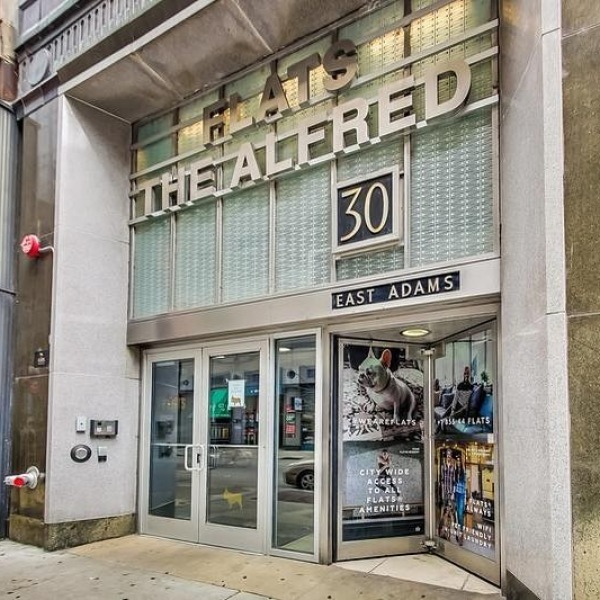
At The Alfred, we believe that where you live should be a reflection of the city's rich history and its modern future. Located in the heart of The Loop, our apartments feature a unique blend of restored historic architecture and contemporary finishes. By choosing a home that balances these elements, you get more than just a place to sleep — you get a front-row seat to everything Chicago has to offer. If you are ready to explore the best of the city, check out our Chicago Loop Apartments for Rent and find your perfect fit in the center of it all.