

Why Finding Green Apartments in Chicago Is Harder Than It Should Be
Green apartments Chicago renters are searching for span a wide range — from LEED Gold certified high-rises to geothermal-powered boutique buildings and transit-oriented developments near the Green Line.
Here's a quick look at what's actually available:
| Property Type | Key Green Feature | Neighborhood |
|---|---|---|
| LEED Gold high-rise | ENERGY STAR + EV charging | Near Old Town / Cabrini Green area |
| Geothermal-powered building | Renewable HVAC, eco materials | Uptown |
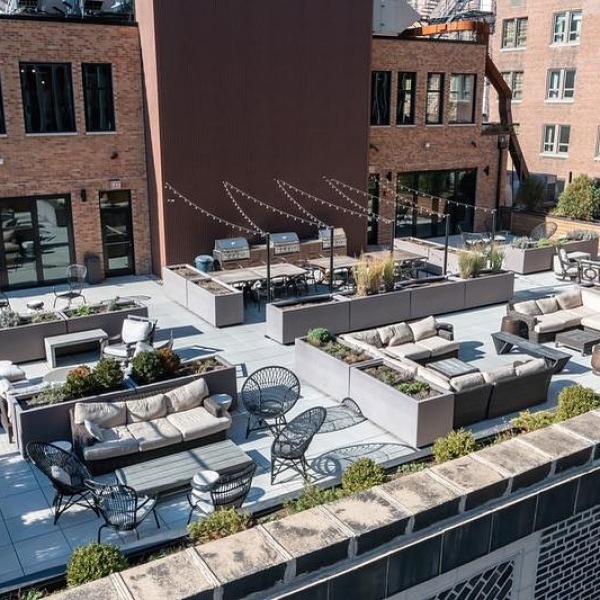
| Historic LEED-certified lofts | Sustainable materials, roof gardens | West Side |
| Transit-oriented development | Green Line access, walkable | Bronzeville |
| Arc Platform LEED Gold | EV charging, expanded recycling | Streeterville |
Chicago has no shortage of apartments. But finding one that's genuinely sustainable — with real certifications, not just a rooftop plant — takes work.
Some buildings carry LEED Gold or ENERGY STAR ratings. Others are powered by geothermal energy. A handful are historic landmarks converted into eco-conscious spaces. And then there are properties that simply have "green" in the name.
The difference matters. This guide cuts through the noise so you can find a Chicago apartment that actually walks the walk on sustainability.
Defining Green Apartments in Chicago
When we talk about green apartments chicago residents often find themselves at a crossroads between marketing jargon and actual environmental impact. To navigate this, we need to look at the gold standards of sustainable living. In the Windy City, a "green" apartment isn't just one with a few potted trees in the lobby; it’s a building designed from the ground up (or retrofitted) to minimize its carbon footprint.
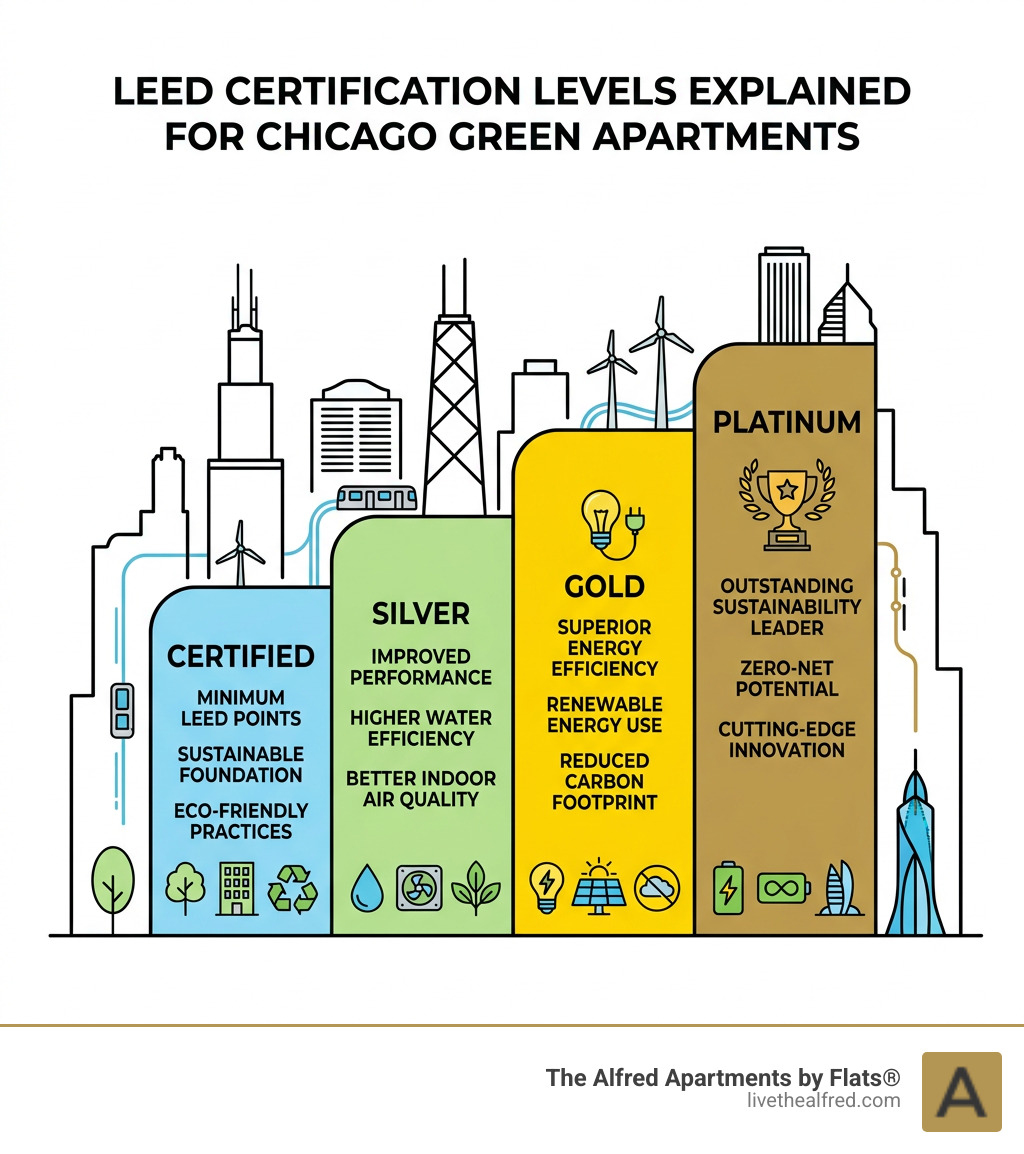
The most common benchmark we see is LEED (Leadership in Energy and Environmental Design) certification. This rating system looks at everything from water efficiency and indoor environmental quality to the materials used during construction. Some forward-thinking properties in Chicago have even utilized the Arc Platform, a state-of-the-art tool that tracks a building's performance in real-time, ensuring that "green" isn't just a label but a daily practice.
Beyond LEED, we are seeing a massive surge in geothermal power. This technology uses the earth’s constant temperature to heat and cool buildings, drastically reducing reliance on fossil fuels. When you combine these high-tech systems with apartments-with-green-space, you get a living environment that supports both the planet and your personal well-being.
Luxury Amenities and Green Apartments in Chicago
Modern sustainability doesn't mean sacrificing comfort. In fact, many of the most eco-friendly buildings in the city are also the most luxurious. Think floor-to-ceiling windows that aren't just for the views—they are engineered with high-performance glazing to keep heat in during the winter and out during the summer.
Key features to look for include:
- EV Charging Stations: Essential for the modern eco-conscious driver.
- Green Cleaning Programs: Many buildings now provide residents with non-toxic, biodegradable cleaning supplies to protect indoor air quality.
- Pet-Friendly Spaces: Sustainability includes our four-legged friends. Look for properties with dedicated dog runs and pet spas, though keep in mind most high-quality buildings limit occupancy to a maximum of two pets per unit.
- Sustainable Materials: From bamboo flooring to recycled glass countertops, the "innards" of your apartment tell the real story of its environmental impact.

Top-Tier Sustainable Properties and Innovative Design
The landscape of Chicago is changing, and the new silhouette of the skyline is increasingly green. Top-tier sustainable properties are moving away from standard construction toward innovative green design that prioritizes "high-performance building envelopes." This is a fancy way of saying the building is exceptionally well-insulated, preventing energy leaks and optimizing energy performance.
We see this innovation in properties like the LEED Gold certified towers near the former Cabrini-Green area. These developments represent a new era of urban planning, where sustainable luxury replaces older, less efficient models. These buildings often feature locally sourced artwork in the common areas, connecting the sustainable physical structure with the vibrant cultural fabric of the neighborhood.
Transit Access and Green Apartments in Chicago
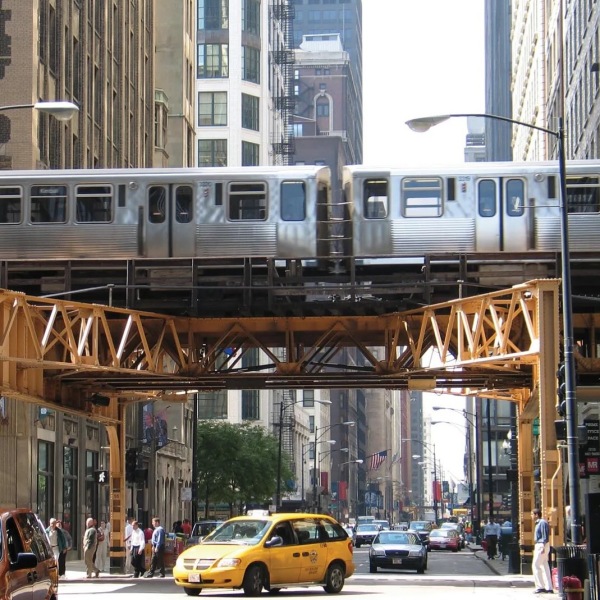
One of the "greenest" things you can do in Chicago is ditch the car, or at least use it less. This is why "Transit-Oriented Development" (TOD) is such a buzzword in our city right now. Living near a CTA station isn't just convenient; it’s a core component of a sustainable lifestyle.
New developments in Bronzeville are perfect examples. Located literally steps from the Green Line, these developments allow residents to reach the South Loop in about 10 minutes. Similarly, River West properties clustered around the Blue Line offer seamless access to both downtown and O'Hare. When evaluating a building, check its "Bike Score"—many of Chicago’s greenest apartments offer high-capacity bike storage and are located near major cycling arteries.
Eco-Friendly Features to Look For
If you want to live a truly green lifestyle, you have to look past the lobby. Here are the specific features that define the best green apartments chicago has to offer:
- Geothermal HVAC: As mentioned earlier, this is the "holy grail" of green heating and cooling. Buildings using this system often have significantly lower carbon emissions.
- ENERGY STAR Appliances: These aren't just "nice to have." They are rigorously tested to ensure they use less electricity and water than standard models.
- Smart Thermostats: Systems like Nest allow you to program your heating and cooling around your actual life, ensuring you aren't wasting energy when you’re at the office or out for dinner.
- Water Conservation: Look for low-flow faucets, dual-flush toilets, and rain-water harvesting systems used for landscaping.
- Robust Recycling Programs: The best buildings go beyond just paper and plastic. Look for programs that include battery recycling, electronics disposal, and even textile recycling.
Sustainable Living in Historic Landmarks
Chicago is famous for its architecture, and the greenest building is often the one that’s already standing. Adaptive reuse—the process of turning historic landmarks into modern apartments—is a major trend. We see this in the historic 1920s-era buildings in the West Side and The Loop that have been fully rehabbed into LEED-certified lofts.
These buildings offer a unique blend of heritage and high-tech. You get the aesthetic of exposed brick and 11-foot concrete ceilings paired with modern, energy-efficient windows and updated insulation. It’s a way to celebrate Chicago’s architectural history while meeting 21st-century environmental standards.
Neighborhoods Leading the Sustainable Movement
Sustainability is spreading across the city, but a few neighborhoods are clearly leading the charge:
- The Loop: As the heart of the city, The Loop is home to some of the most impressive historic conversions. Living here means you are within walking distance of almost everything, which is the ultimate green move.
- Bronzeville: This historic neighborhood is seeing a wave of new, transit-oriented developments that prioritize Green Line access and urban chic design.
- River West: Known for its blend of tranquility and connectivity, this area features modern mid-rises that emphasize "urban serenity" and easy Blue Line access.
- Uptown: A hub for geothermal technology, Uptown is becoming the go-to for renters who want cutting-edge renewable energy in a walkable, lakeside setting.
- Fulton Market: This former meatpacking district is now a leader in sustainable luxury, with high-rises that incorporate local art and massive green spaces for pets.
Frequently Asked Questions about Green Apartments in Chicago
Who is responsible for utility payments in these buildings?
The breakdown of utility responsibilities can vary significantly depending on the building's technology. In most traditional "green" buildings, the resident is responsible for the electric bill (which covers your lights, appliances, and sometimes heating/cooling fans), while the owner typically covers water, sewer, and trash.
However, in specialized geothermal buildings, the heating and cooling (HVAC) is often part of a bundled utility or assessment fee. In some LEED-certified historic lofts, the high-quality insulation and energy-efficient windows installed during the rehab process contribute to a more sustainable footprint.
Are these sustainable buildings accessible for residents with disabilities?
Absolutely. One of the core tenets of modern sustainable design is "equity," which includes physical accessibility. Whether it’s a brand-new LEED Gold tower or a meticulously renovated historic landmark, these buildings are equipped with modern elevators and ADA-accessible units. In fact, many of the newer developments in neighborhoods like Bronzeville and River West feature open-concept floor plans and floor-to-ceiling windows that provide ample natural light and easy maneuverability.
Conclusion
Finding the right home in the city doesn't have to mean compromising your values. Whether you are drawn to the cutting-edge technology of a geothermal high-rise in Uptown or the character of a LEED-certified historic loft, Chicago’s green rental market is more vibrant than ever.
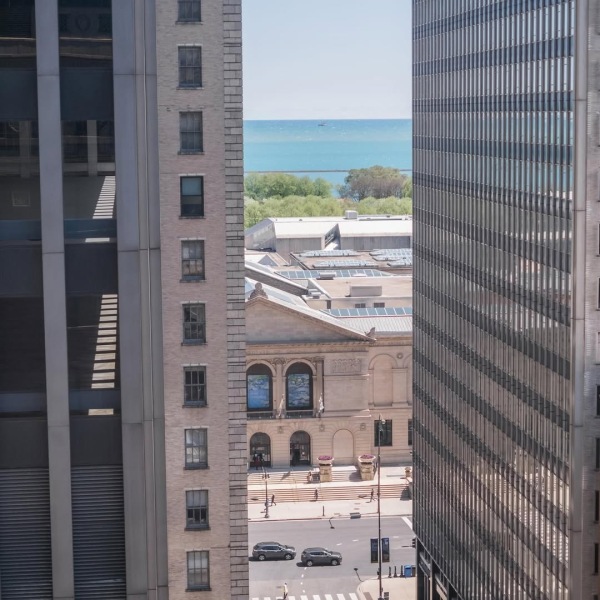
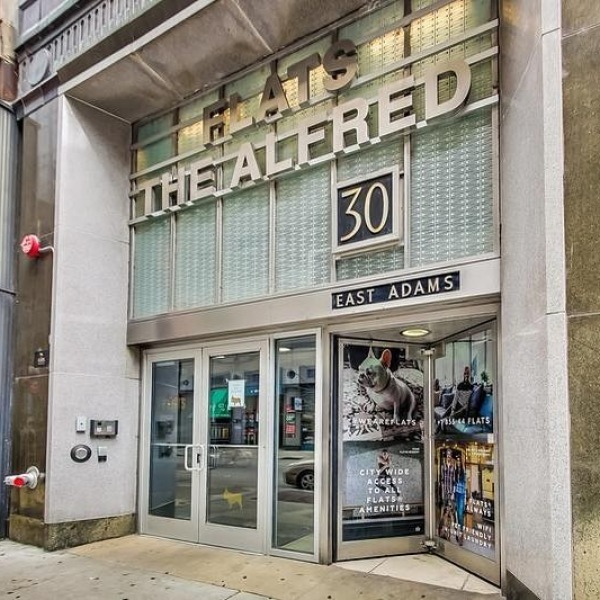
At The Alfred Apartments by Flats®, we understand that elevated city living is about more than just a great view. Our location in The Loop offers the perfect blend of historic architecture and modern amenities, putting you right in the center of Chicago's most walkable and transit-connected district. By choosing a home that respects both the city's past and the planet's future, you can enjoy everything Chicago has to offer without the environmental guilt.