

What You're Really Paying When You Rent an Apartment
Understanding apartment rent plus utilities is one of the most important steps before signing any lease. The number on the listing is rarely the full story.
Quick answer — what does "rent plus utilities" typically mean?
| Utility | Usually Included in Rent? | Usually Paid Separately? |
|---|---|---|
| Water & sewer | Yes, often | Sometimes |
| Trash removal | Yes, often | Sometimes |
| Electricity | Rarely | Yes |
| Natural gas | Sometimes | Yes |
| Heat | Sometimes | Yes |
| Internet/cable | Rarely | Yes |
So when a listing says "utilities included," it usually means water, sewer, and trash — not electricity, gas, or internet. Always confirm before signing.
Here's the thing most renters discover too late: the base rent and the actual monthly cost are two different numbers.
National averages show that utilities for a one-bedroom apartment run roughly $144 per month — not counting internet, which adds around $71 more. That gap between the listed rent and what lands in your bank account each month can catch people off guard.
For anyone living in or moving to a city like Chicago, where older buildings, seasonal winters, and varied landlord policies all come into play, understanding exactly what's covered — and what isn't — makes a real difference in how you plan your monthly budget.
This guide breaks it all down clearly: what utilities are, what's typically included, how to read your lease, and how to manage costs no matter your setup.
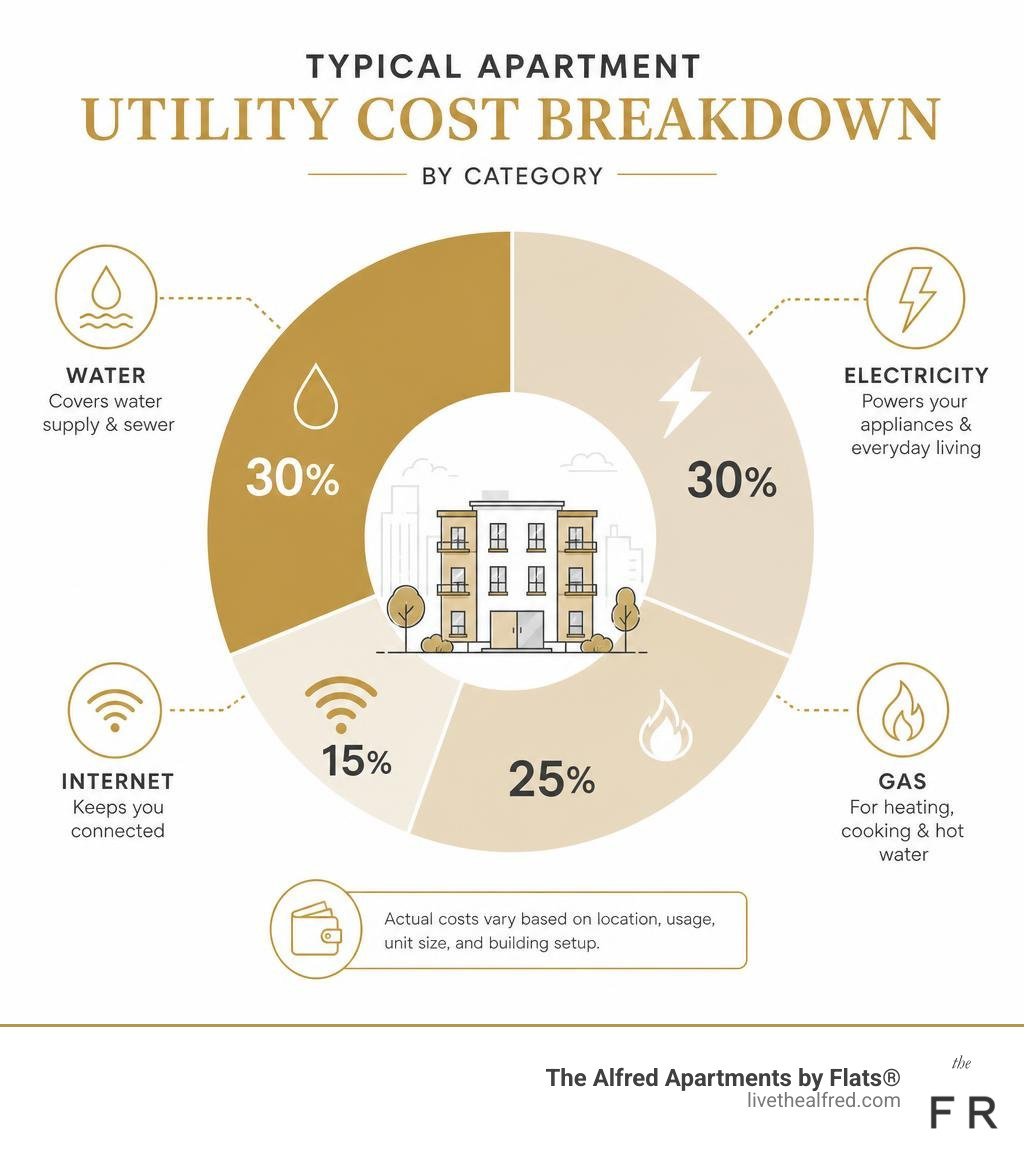
Understanding Apartment Rent Plus Utilities
To plan housing costs accurately, it is necessary to look past the base monthly rent. The phrase apartment rent plus utilities refers to the combined cost of your living space and the essential services required to keep it functional, comfortable, and connected.

When you occupy an apartment, you consume resources that are billed by utility providers. Some landlords bundle these services into your lease, while others require you to establish your own accounts with local utility companies. Understanding the difference between these structures prevents unexpected bills from appearing in your mailbox.
To start, the primary services that make up a monthly utility profile include:
- Water and Sewer: This covers the fresh water flowing from your taps and the processing of wastewater.
- Trash Removal and Recycling: The cost of managing municipal waste disposal and recycling services for the building.
- Electricity: Power for your lighting, kitchen appliances, electronics, and, in many modern buildings, your heating and air conditioning systems.
- Natural Gas: Often used for cooking ranges, water heaters, and traditional central heating systems.
- Internet and Cable: The digital lifeline that keeps you connected. This is almost always billed separately, though some modern communities offer building-wide Wi-Fi packages.
To understand how these services fit into your overall leasing structure, check out the comprehensive Apartment Rental Utilities Included Guide 2026.
What Utilities Are Typically Included in Rent?
In a standard apartment leasing agreement, landlords traditionally cover some of the shared building expenses. The most common utilities included in rent are water, sewer, and trash collection. Because these services are often metered for the entire building rather than individual units, landlords find it simpler to pay the municipal bill directly and factor these operational costs into the rent.
Heating can also fall under the landlord's responsibility, particularly in historic or mid-rise properties with radiator systems. In these configurations, a single central boiler heats the entire property, making individual billing impractical. However, if your apartment features an individual electric heat pump or a dedicated gas furnace, you will likely pay for your own heating via your electricity or natural gas statement.
Understanding how your building's physical systems operate gives you a clear indication of which bills will land on your desk.
Deciphering the Lease for Apartment Rent Plus Utilities
Before signing, renters must carefully review the utility section of the lease agreement. This section specifies exactly who pays for what, how those charges are calculated, and when they are due.
Look out for these common billing structures in your lease:
- Direct Utility Accounts (DIY): You contact the utility providers directly (such as the local electric or gas company), set up accounts in your name, and pay them based on your actual usage.
- Sub-Metered Billing: The landlord uses individual meters to track your unit’s exact consumption but bills you directly on your monthly rent statement.
- Ratio Utility Billing System (RUBS): If individual meters do not exist, the landlord calculates the building's total utility costs and divides them among residents using a formula based on unit square footage or occupancy.
- Utility Caps: In some "utilities-included" leases, landlords establish a maximum usage threshold. If your electricity or gas consumption exceeds this cap, you are billed for the overage.
For a complete breakdown of what to look for before signing, review the Ultimate Apartment Rental Guide 2026.
Comparing Utilities Included vs. Separate Utility Billing
Choosing between an apartment that bundles utilities into the rent and one that bills them separately is a major decision. Each approach has distinct operational advantages depending on how you prefer to manage your monthly workflow.
| Feature | Utilities Included (Bundled) | Separate Utility Billing (DIY) |
|---|---|---|
| Monthly Predictability | High — you pay one flat rate each month. | Variable — bills spike in summer and winter. |
| Setup Convenience | High — no need to contact service providers. | Low — requires setting up multiple accounts. |
| Usage Control | Low — no financial reward for conserving energy. | High — lower usage directly reduces your bills. |
| Provider Choice | None — you must use the building's providers. | High — you can shop around for internet or gas rates where permitted. |
Pros and Cons of Bundled Apartment Rent Plus Utilities
The main benefit of a bundled arrangement is simplicity. You write one check per month, eliminating the need to track multiple due dates, manage separate online portals, or worry about seasonal spikes in heating or cooling costs. This setup also minimizes friction when living with roommates, as there is no need to divide bills or request digital payments for shared services.
However, bundled utilities can sometimes result in a higher base rent. Landlords often estimate utility usage conservatively and round up to protect themselves from high consumption. Additionally, you lose the ability to shop around for competitive rates on services like internet, and you may have less personal control over building-managed heating or cooling schedules.
Utility Estimations by Apartment Size and Location
The physical size of your apartment is one of the most significant factors determining your monthly utility costs. A larger living space requires more energy to heat, cool, and illuminate.
According to national data, basic utility bills (electricity, gas, water, and sewer) typically scale with unit size:
- One-Bedroom Apartments: Average basic utilities run approximately $144 per month.
- Two-Bedroom Apartments: Average basic utilities rise to approximately $211 per month.
Adding high-speed internet generally adds an average of $71 per month to these totals. Heating and cooling typically account for about 50% of your total energy consumption, meaning your local climate and building insulation play a massive role in your final costs. For more details on estimating these expenses, refer to the resource How Much Are Utilities in an Apartment? [2026] .
Utility Considerations in Chicago Apartments
In Chicago, IL, utility management often involves regional practices and weather patterns. Cold winters and warm summers in the region mean heating and cooling systems work hard throughout the year.
Many modern apartment communities in Chicago utilize a utility package system. Instead of setting up individual accounts for water, sewer, trash, gas, and internet, residents pay a flat monthly utility fee to the building. This consolidates your monthly planning and ensures high-speed internet is ready the day you move in.
In these buildings, electricity is typically the only utility that must be set up separately. In Chicago, this is managed through ComEd. You will need to establish an account with ComEd prior to your move-in date to ensure your lights and outlets are active.
For those exploring the local market, you can search Apartments for Rent with Utilities Included in Chicago IL to see how different properties structure their fees. You can also compare options by visiting guides such as Chicago Apartments Utilities Included and Downtown Chicago Rent Prices.
Practical Strategies for Energy Efficiency and Utility Management
If you are responsible for your own utility bills, adopting smart energy habits can make a noticeable difference in your monthly expenses.
Here are several practical ways to manage your consumption:
- Upgrade Your Lighting: Replacing standard bulbs with LED lighting can reduce your lighting energy use significantly.
- Combat Phantom Energy: Electronics and chargers draw power even when turned off. Use smart power strips to shut down power to devices when they are not in use.
- Adjust Your Thermostat: Lowering your thermostat by 7 to 10 degrees during winter nights or when you are away from home can lower your heating costs.
- Install Water-Saving Fixtures: Low-flow showerheads and faucet aerators can reduce your hot water usage.
- Optimize Your Appliances: Only run your dishwasher and laundry machines with full loads, and wash clothes in cold water whenever possible.
For a comprehensive look at managing these costs, explore the insights in How much do utilities cost per month in an apartment - CreditNinja .
Roommate Arrangements and Bill Splitting
When sharing an apartment, clear communication regarding utilities is essential. Misunderstandings about shared expenses can lead to unnecessary tension.
To keep things simple, consider these best practices:
- Draft a Roommate Agreement: Decide upfront how utility bills will be divided (e.g., split evenly, or adjusted based on bedroom size).
- Designate Account Managers: Assign specific roommates to manage different utility accounts to ensure all bills are paid on time.
- Use Financial Apps: Utilize platforms like Splitwise or Venmo to track shared expenses and settle balances easily.
Frequently Asked Questions about Rental Utilities
Navigating apartment rent plus utilities often brings up common questions for renters. Here are answers to some of the most frequent inquiries.
How can a renter find out exactly which utilities are included before signing a lease?
The only way to confirm which utilities are covered is to review your lease agreement in detail. Do not rely on verbal assurances or general online listings. Look for a dedicated "Utilities" clause that lists your responsibilities. If any terms are unclear, ask the landlord to clarify them in writing before you sign.
What is the typical utility setup in Chicago Loop apartments?
In the Chicago Loop, many properties feature modern utility structures. High-rise developments often simplify the process by bundling water, sewer, trash, and high-speed internet into a single monthly fee, leaving electricity as your only individual setup with ComEd. To explore options in this neighborhood, view listings of Apartments for Rent in Chicago Loop.
Can a landlord adjust utility charges if energy prices fluctuate?
Whether a landlord can adjust your utility charges depends on your lease agreement and local regulations. If you have a fixed-rate lease with utilities included, your landlord generally cannot raise your monthly rent during the lease term due to energy price fluctuations. However, if your utility billing is managed through a sub-metered or RUBS system, your monthly charges will naturally reflect changes in market rates and usage.
Conclusion
Understanding how apartment rent plus utilities works is key to planning your monthly housing expenses. Whether you prefer the simplicity of a bundled utility package or the control of managing your own accounts, knowing what is included in your lease ensures a smooth rental experience.
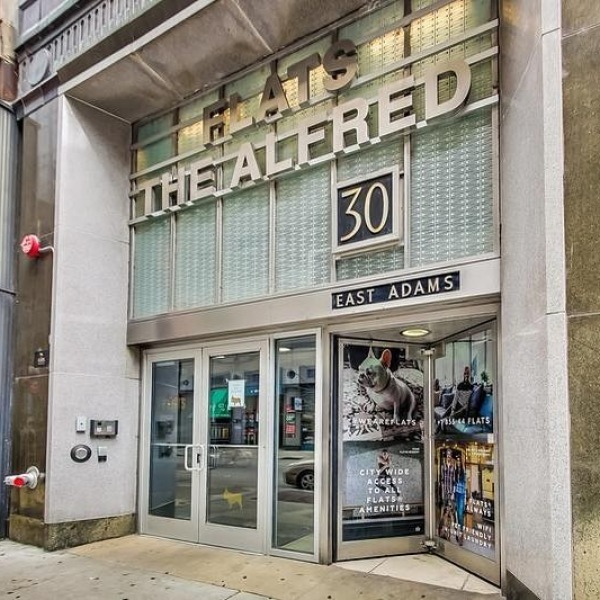
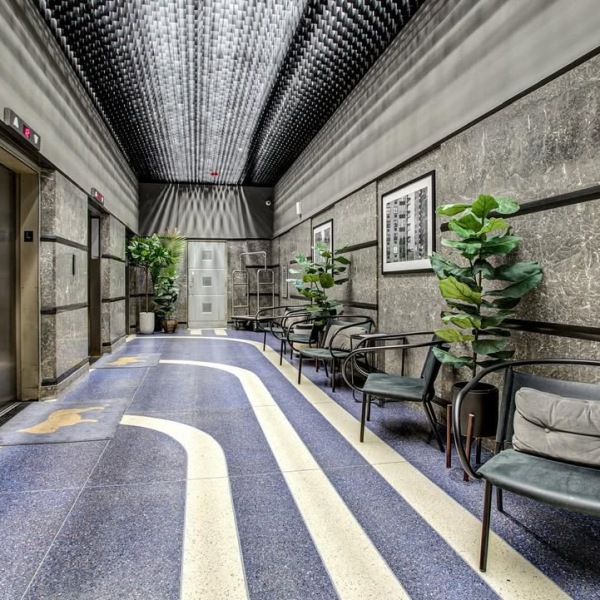
The Alfred features luxury apartments in The Loop, downtown Chicago, with historic architecture, modern amenities, and a prime location. The community blends beautifully restored historic details with contemporary conveniences, providing an elevated city living experience.
If you are looking for an apartment that simplifies your lifestyle, explore options for Chicago Apartments Utilities Included and find a new home today.